



Already licensed to hire out your boat? Here is why we start with you
18 Nov 2026
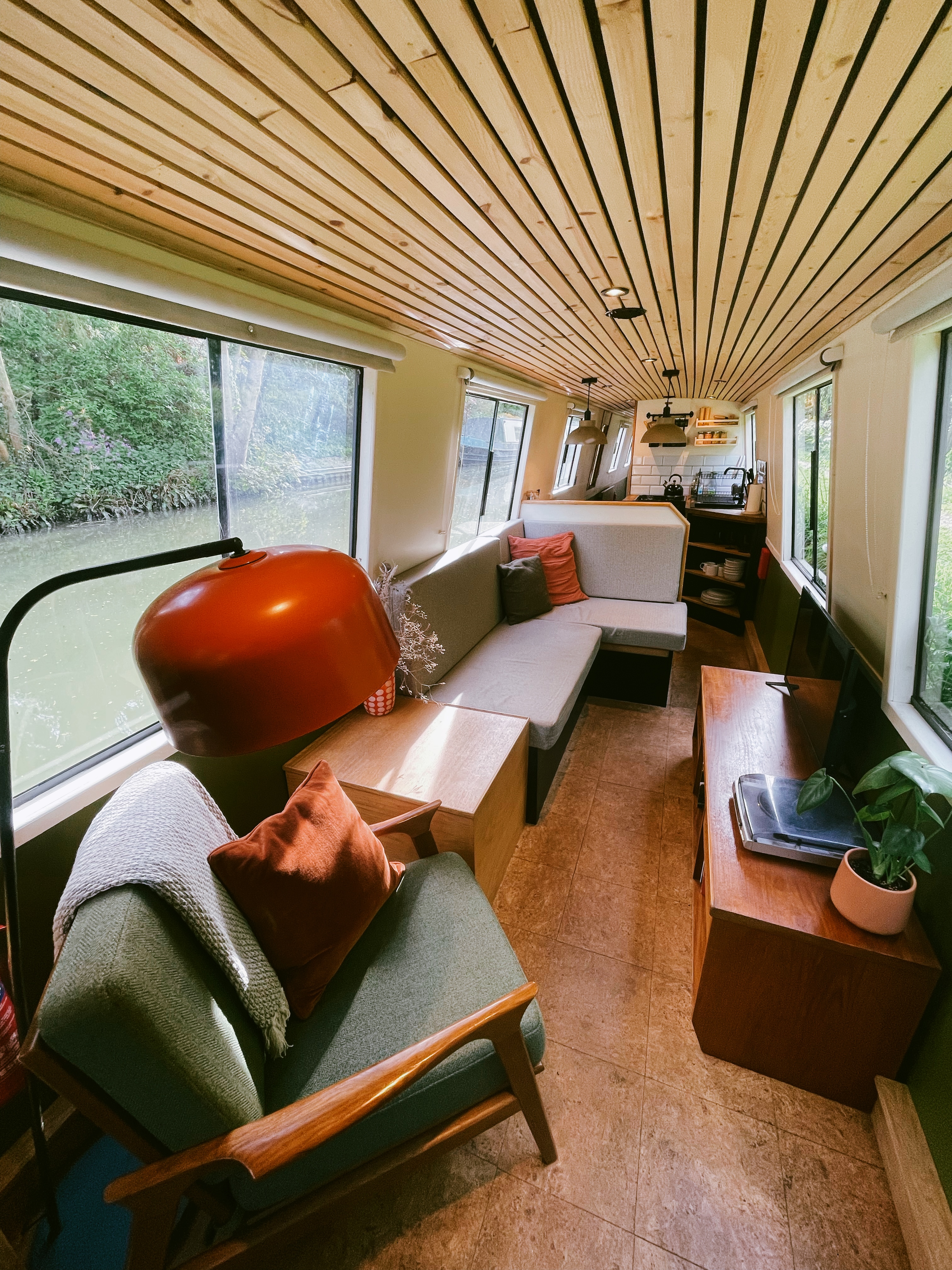
Already licensed to hire out your boat? What the four owner checks mean, why your mooring matters and how listing works, step by step.
Our latest posts on Instagram and Facebook spoke to one group of owners in particular: people already licensed to hire out their boat. If you run a boat for paying guests from a fixed mooring, a small hire fleet or skippered cruises, you have already done the hardest part. This post explains why BoatStays starts with you, what the four checks involve, and what listing looks like, step by step.
Why we start with licensed owners
Letting a boat to paying guests is a business, even if you only do it now and then. The Canal & River Trust's holiday hire rules cover any privately owned boat offered for hire to others, even rarely or for short periods. Insurance works the same way: most standard private or pleasure craft policies do not cover letting your boat to paying guests.
So an owner who is licensed, examined and insured for hire has already made the commitment that matters. We would rather start with those owners and do it properly than list boats that are not set up for guests. It also means a guest can trust what they find here. Every owner passes four checks before their boat goes live.
Our first two boats show the range we want. Maddox is a narrowboat in Oxford, hosted by its owner, Joe. Shamrock is a river cruiser at Penton Hook Marina on the Thames, hosted by Adam.
The four checks, one by one
The four checks are commercial licence, hire Boat Safety Scheme certificate, £2m hire-and-reward insurance, photo ID. Here is what each one means in practice.
- Commercial licence. This is held with your navigation authority, not a private licence. On Canal & River Trust water it is a business licence. You first submit an operating proposal, with a £105 fee including VAT, and the Trust aims to give an in-principle decision within six weeks. On the non-tidal Thames, from Cricklade to Teddington, the Environment Agency registers boats, and business boats have extra requirements to meet. We never apply on your behalf: your licence is between you and the navigation authority.
- Hire Boat Safety Scheme certificate. The hire examination is tougher than the private one, and a standard private certificate is not enough for hire use. The Boat Safety Scheme says the navigation authority, not the scheme, decides which examination a boat needs, so agree it with your authority and your examiner first. The Canal & River Trust has required a hire boat certificate for all hire boats since 1 April 2018, whatever their age.
- £2m hire-and-reward insurance. That means third party and public liability cover of at least £2m for each claim, from an insurer authorised and regulated by the Financial Conduct Authority, and it has to apply to hire use. The simplest question to ask your broker: does my policy cover hire and reward use, meaning paying guests staying on board? Our insurance guide has four questions to ask.
- Photo ID. You confirm who you are when you set up payouts, with a passport or UK driving licence. It means we know who every owner is before a guest books.
You can read more about how we check every boat.
Ask your marina first
Your mooring matters as much as your licence. Towpath and end of garden moorings don't allow business use, so you need a marina or mooring provider that agrees in writing, or business consent on one of the Trust's own Waterside Moorings. Not every marina allows letting, so ask before you spend money on anything else.
Two more Canal & River Trust conditions for self drive hire are easy to miss. You need a written handover procedure, used on every hire, and a 24 hour emergency call out service for guests for the whole of their hire. Both sit with you as the owner.
What listing looks like, step by step
- Create your listing with "List your boat": your photos, your nightly rate and the boat as it really is.
- Upload your hire Boat Safety Scheme certificate and your hire insurance policy from the boat edit page. The submit button stays disabled until both are there.
- We check the holder's name, the certificate or policy number and the expiry date, and a member of our team reviews every document.
- Set up payouts through Stripe, which is where you confirm your ID.
- Open your weeks. Block every date you will be aboard and open only the dates you are away. If the boat is listed elsewhere too, connected calendars are re-checked roughly once an hour, and only busy dates are shared.
- Approve each request. There is no instant booking: a stay only appears on your calendar once you accept it, and we suggest replying within 24 hours.
Payouts are released to your Stripe balance about 24 hours after check-in, and guests and owners both review each booking. The help centre for hosts covers payouts, deposits and double bookings in more detail.
Your boat, between your trips
None of this asks you to give up your own time afloat. Our September post, 33,000 boats on Britain's canals, looked at how many weeks most boats spend on their moorings. Sharing works around your plans, not the other way round. You choose the weeks, you approve every request, and the boat stays yours.
Why list now
Next year's boating holidays are already being planned. The hire company Black Prince says on its website that bookings for 2027 and 2028 are now open, with its next season starting on Friday 12 March 2027.
Founding owners also get our launch offer: list your boat before 31 December 2026 and pay no host commission on every booking that falls in 2027. Guests pay an 8% service fee, and 3% of every booking goes to The Rivers Trust.
Not licensed yet? The operating proposal alone can take around six weeks, so start with our licensing guide.
If you already hold a commercial licence, you are the owner we built BoatStays for. List your boat, and we will check the four things that matter before it goes live.